IoT monitoring & integration.
From signal to work order.
Connect sensors, meters, BMS, PLC and SCADA systems, CCTV and trackers to yCloudx. Set the rules once: when a reading crosses a limit, yCloudx can open the work order, notify the right people and close it when conditions return to normal.
Connect the systems
already on site.
Most facilities already produce useful signals, from building management systems and PLCs to meters and cameras. yCloudx brings those signals into your CMMS, so every alarm and reading is tied to the right asset, location and maintenance team.
IoT sensors
Condition monitoring for equipment and spaces, with readings linked to the asset they measure.
Energy & utility meters
Automatic meter readings for consumption tracking, usage-based maintenance and utility billing.
BMS, BAS & BCS
Turn building management and control system alarms into trackable maintenance work instead of screens someone has to watch.
Energy management systems
Bring EMS data and energy alerts into the same place your team plans and records maintenance.
PLC & SCADA
Use machine states, fault codes and counters from production and plant systems to trigger maintenance and feed OEE.
CCTV & video analytics
Let supported camera analytics events, such as leaks, obstructions or camera faults, raise a request with the right location.
GPS & asset trackers
Know where mobile assets are. Use location, movement and geofence events for alerts and asset verification.
Alarm, access & other panels
Where an interface is available, bring status and fault signals from other building systems into maintenance workflows.
Open API, SDK & webhooks
Connect your own devices, platforms and software. Send readings and events in, and push work order updates out.
Connections are made through the yCloudx API and SDK, webhooks or an integration gateway. Industrial and building protocols such as BACnet, Modbus, MQTT and OPC UA are typically bridged through a gateway or your existing BMS or SCADA. We confirm the right approach for your devices during scoping.
Set the rule once.
Let the workflow run.
Define what should happen when a signal changes. yCloudx turns alarms and readings into maintenance actions automatically, and keeps a record of every step for audits and reports.
- Threshold alarm → corrective work order. Asset, location, priority and checklist are filled in automatically.
- Run hours or meter reading → preventive maintenance. Schedule service by actual usage, not just the calendar.
- Back to normal → auto-close. Close or resolve the work order when readings recover, or ask a technician to verify first.
- Repeated alarms → escalation. Notify a supervisor when the same fault keeps coming back.
- Camera or tracker event → service request. Raise a request with the location attached.
You stay in control: choose which rules act automatically and which need a person to confirm.
From device to decision,
in five steps.
Connect
Link devices, meters and systems through API, SDK, webhooks or a gateway.
Map
Tie each signal to its asset, location and responsible team in yCloudx.
Set rules
Agree limits, durations and the action for each condition.
Act
Open work orders, notify people, escalate and auto-close automatically.
Improve
Review trends, history and repeat faults, and fine-tune rules over time.
Built for real sites,
not just dashboards.
Start with the equipment where early warning matters most, then expand as the value becomes clear.
Commercial buildings
Chillers, AHUs, pumps and plant rooms monitored through the BMS or sensors, with faults routed straight to the maintenance team.
Chiller supply temp > 8°C for 10 min → high-priority work orderManufacturing
PLC fault codes and vibration trends trigger maintenance before small issues stop the line, and feed downtime into OEE.
Motor vibration rising 3 days → inspection work orderDistrict cooling & utilities
Automatic meter readings for chilled water, electricity and water flow into usage-based maintenance and utility billing.
Run hours reach 2,000 → preventive service scheduledHealthcare & laboratories
Temperature and humidity in cold rooms, pharmacies and labs, with alerts, escalation and a recorded response.
Cold room above limit → notify on-call + open work orderData & server rooms
Environmental readings, water leak detection and UPS status connected to the team that looks after the room.
Leak sensor wet → emergency request with locationMobile assets & fleets
Trackers show where gensets, equipment and vehicles are, with run hours and geofence alerts tied to each asset record.
Genset leaves site zone → alert asset ownerReadings, trends and history
in one place.
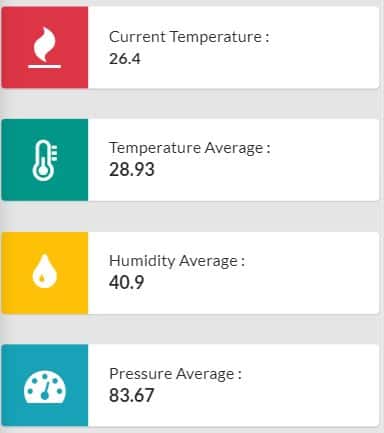
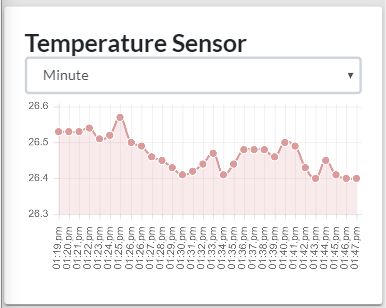
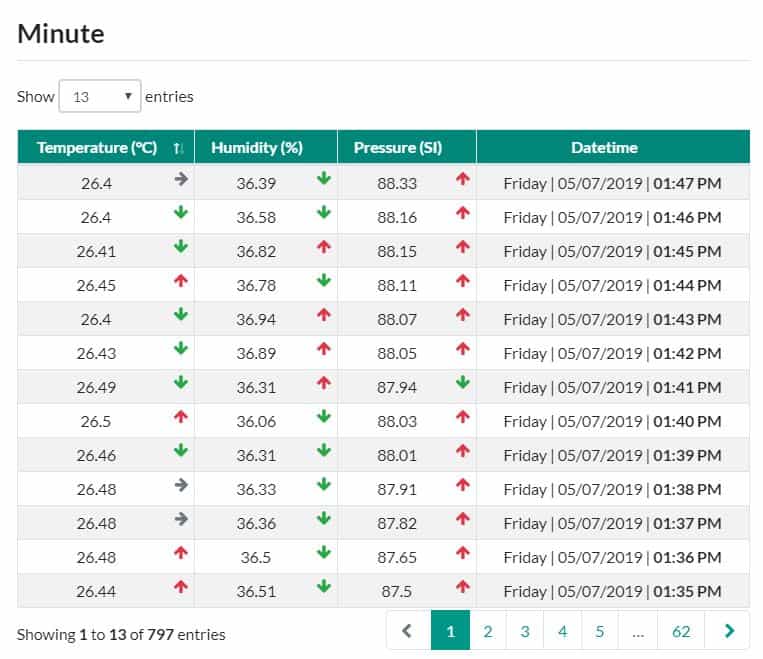
Existing yCloudx monitoring screens for temperature, humidity and pressure. Every reading stays linked to the asset, so teams can review trends before and after each work order.
Monitoring that ends
in maintenance done.
Many IoT platforms stop at a dashboard. yCloudx connects the signal to the work, the people and the record.
The loop is closed inside your CMMS
Alarms become work orders with the asset history, checklist and spare parts already attached, then close with evidence.
Vendor-neutral by design
Keep your existing BMS, PLCs, meters and cameras. yCloudx connects to them rather than replacing them.
Engineering experience behind the software
Our team has worked with building systems, environmental monitoring, CCTV and ICT infrastructure since 2000, so integrations are shaped by people who know the equipment.
Start with a focused pilot
Prove the value on one building, plant room or production line, then scale across sites, in Malaysia or internationally.
IoT monitoring supports maintenance decisions. It does not replace certified fire, life-safety or statutory systems and inspections.
IoT integration FAQs.
What is IoT condition monitoring in maintenance?
IoT condition monitoring uses connected sensors and systems to collect readings from equipment and spaces, such as temperature, vibration or energy use. In yCloudx, those readings are linked to assets so teams can spot changes early and respond through their normal maintenance workflow.
Can yCloudx integrate with our BMS, BAS or building control system?
Yes. yCloudx can receive alarms and readings from building management and control systems through the API, SDK or an integration gateway, then turn them into work orders, notifications and records. The connection method depends on the system and interfaces available.
Can yCloudx connect to PLC and SCADA systems?
Yes. Machine states, fault codes and counters from PLC and SCADA systems can be brought into yCloudx to trigger maintenance and support OEE tracking. Industrial protocols are usually bridged through a gateway or your existing SCADA.
Can an alarm automatically create a work order?
Yes. You define rules such as a limit, a duration and an action. When the condition is met, yCloudx can open a work order with the asset, location and priority filled in, and notify the right people.
Can the work order close automatically when readings return to normal?
Yes, if you choose. A rule can close or resolve the work order when conditions recover and keep the reading history as evidence. For critical equipment, you can require a technician to verify before it closes.
Which devices and systems can be connected?
Common examples include temperature, humidity, pressure, vibration, leak and air-quality sensors, energy and utility meters, BMS, BCS and EMS platforms, PLC and SCADA, CCTV analytics, and GPS, RFID or BLE trackers. Other systems can be connected where an interface is available.
Does yCloudx provide an API and SDK for IoT integration?
Yes. The yCloudx API and SDK let your devices and platforms send readings and events in, and let other systems receive work order updates. Webhooks and gateways are used where they suit the project.
Can we keep our existing sensors and hardware?
In most cases, yes. yCloudx is vendor-neutral. Share your device models, interfaces and sample data, and our team will confirm compatibility and the best connection method.
Can meter readings be used for maintenance and billing?
Yes. Automatic meter readings can trigger usage-based preventive maintenance, for example by run hours, and can also feed yCloudx meter management and utility billing.
Is IoT integration available for projects outside Malaysia?
Yes. yCloudx is built and supported in Malaysia and works with international teams. Hosting, connectivity and support arrangements are agreed for each project.
What would you like your
equipment to tell you?
Tell us the assets, the systems already on site and the response you need. We'll suggest a practical pilot, from signal to work order.