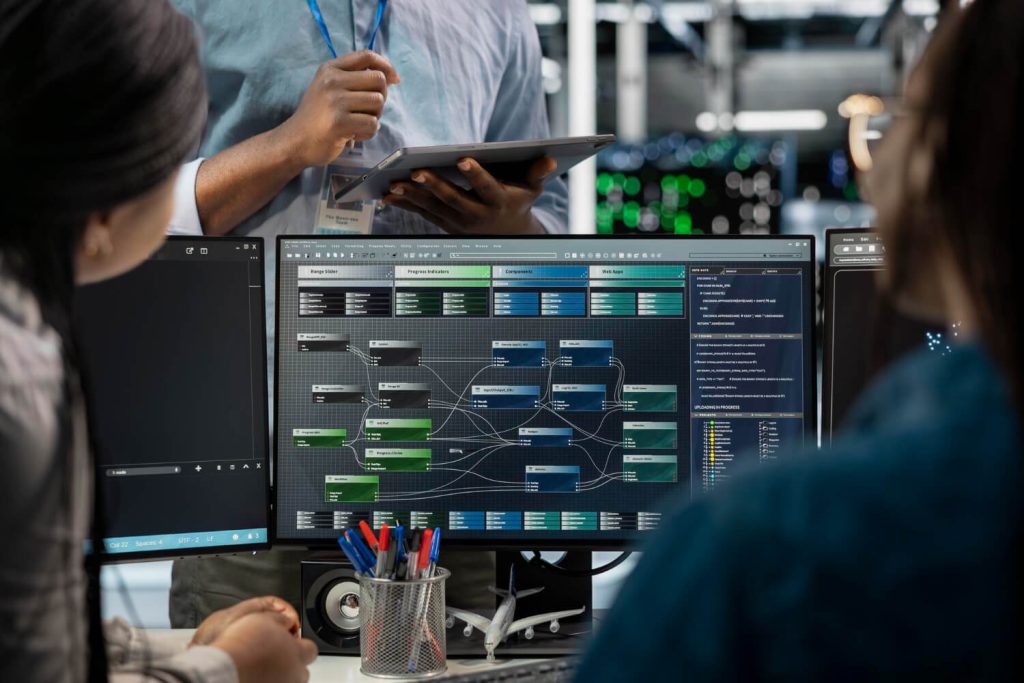
Industries in Malaysia are increasingly pressured to track assets, minimise downtime, and enhance performance. This need generates a strong demand for EAM asset management tools that guide every stage of an asset’s lifecycle. Companies now choose smarter systems that sharpen control and reveal clear insights. Cloud tools make it easier to work together. They provide quick access to information, allow for smooth data sharing, and improve teamwork.
As businesses shift towards digital landscapes, enterprise asset management-based software stands at the centre of growth. This blog explores how cloud systems reshape asset care across Malaysia and why companies choose them today.
What are EAM Software Solutions?
EAM software solutions help companies track, manage, and improve physical assets across their full lifecycle. These systems capture data from purchase to repair and final replacement. They organise maintenance tasks, track asset health, and guide teams to act at the right time.
With a clear dashboard, teams see asset status and plan repairs without confusion. The system links departments and keeps data flowing. It also avoids guesswork and sharpens decisions. As a result, businesses gain control, reduce risk, and improve daily work with a strong digital base.
Why Malaysian Businesses Need an Asset Maintenance Management System
Malaysian industries handle complex operations with many moving assets. An asset maintenance management system helps teams stay organised and avoid sudden breakdowns. It builds a strong structure where teams plan, track, and fix assets with ease.
As industries grow, it becomes harder to keep up with manual tracking. Digital systems step in and bring clarity. They help businesses cut repair costs, improve safety, and maintain steady operations across all sectors.
Challenges in Traditional Asset Management in Malaysia
Traditional systems struggle to keep up with modern business needs. Many firms still rely on outdated methods that slow work and create errors.
Poor Data Visibility
Teams struggle to see real-time asset data when records are kept in files or spreadsheets. This gap delays decisions and creates confusion. Without clear data flow, businesses miss warning signs and face sudden failures that disrupt operations and raise costs.
Manual Processes
Manual tracking consumes time and drains energy from teams. Workers record data by hand, which invites errors and delays. This process blocks fast action and limits growth. Businesses lose control as workloads grow and systems fail to scale.
High Maintenance Costs
Without clear planning, companies react to breakdowns instead of preventing them. This reactive approach drives repair costs higher. Emergency fixes demand more time and resources, which reduces profit and weakens long-term asset value.
Lack of Integration
Traditional systems often stand alone without linking to other tools. This disconnect breaks communication between teams. Data stays scattered, which slows workflows and weakens coordination across departments and locations.
How an Asset Maintenance Management System Improves Efficiency
Modern asset maintenance management systems bring order and speed into asset management. They replace confusion with clear workflows and guide teams towards smarter operations.
Automated Workflows
The system triggers tasks based on asset condition and schedules. Teams follow clear steps without delay. This flow reduces errors and keeps operations smooth. Work moves faster as automation handles routine processes with precision.
Real-Time Monitoring
Teams track assets through live data feeds. This visibility helps them act before issues grow. Early detection prevents damage and keeps operations stable. Businesses gain control through timely insights and quick responses.
Better Resource Use
Managers assign tasks based on real needs and available resources. This balance avoids waste and improves output. Teams work with purpose and clarity, which boosts overall efficiency across departments.
Data-Driven Decisions
The system gathers and studies data to guide decisions. Managers read patterns and plan smarter actions. This approach cuts guesswork and strengthens long-term strategies for asset care.
Why Cloud-Based EAM Software Is Trending In Malaysia
Cloud-based EAM software attracts strong interest across Malaysia due to its flexibility and ease of use. Businesses access systems from any location, which supports remote teams and field workers.
Cloud platforms remove the need for heavy hardware and complex setups. They grow with business needs and adapt with ease. Teams share data in real time, which improves coordination. As digital growth spreads, cloud systems offer a strong path towards smarter asset management and long-term success.
Key Benefits Of Eam Software Solutions For Malaysian Industries
These EAM software solutions deliver strong value by improving operations and reducing risks across industries.
Improved Asset Lifespan
Regular maintenance and clear tracking extend asset life. Teams detect issues early and act before damage grows. This approach protects investments and ensures steady performance across operations.
Reduced Downtime
Planned maintenance prevents sudden breakdowns. Assets stay active and productive. This stability helps businesses meet targets and avoid costly delays in daily operations.
Stronger Compliance
The system records every action and keeps detailed logs. Businesses meet safety rules and avoid penalties. Clear records support audits and build trust with regulators.
Enhanced Team Collaboration
Teams share updates and track progress in one system. This connection improves communication and reduces confusion. Work flows smoothly across departments and locations.

Industry Use Cases of EAM in Malaysia
Different industries use tools to manage complex assets and ensure steady operations across large systems.
Manufacturing
Factories track machines and schedule maintenance to avoid breakdowns. This control improves production flow and reduces delays. Teams maintain high output while protecting equipment from damage.
Logistics
Transport companies manage fleets and track vehicle health. This system ensures timely delivery and reduces repair risks. Businesses maintain smooth supply chains with better asset control.
Oil and Gas
Energy firms monitor critical equipment in harsh conditions. The system guides maintenance and ensures safety. This approach protects assets and supports steady production.
Utilities
Utility providers manage infrastructure like power grids and water systems. They track performance and plan repairs. This control ensures consistent service and reduces disruptions for customers.
Cloud-Based EAM Software Vs. Traditional Systems
Businesses compare modern systems with older methods to choose the right solution.
| Aspect | Cloud-Based EAM Software | Traditional Systems |
| Access | Teams can access the EAM asset management system from anywhere using the internet and devices. It supports remote work and fast updates across locations. | Teams depend on local machines and office networks, which limit access and slow work outside the workplace. |
| Setup | Businesses launch quickly without heavy hardware, and the provider handles setup and updates with ease. | Companies install complex systems on-site, which demands time, effort, and technical support. |
| Scalability | The system expands smoothly as business grows and adjusts to new needs without disruption. | Growth creates pressure, and upgrades require costly changes or system replacement. |
| Maintenance | Providers manage updates and security, which reduces workload for internal teams and keeps systems current. | Internal teams handle maintenance, which increases effort and risks outdated systems. |
| Data Sharing | Teams share live data instantly, which improves collaboration and speeds decisions across departments. | Data moves slowly between systems, which creates delays and weak communication. |
Future Of Enterprise Asset Management In Malaysia
The future of asset management in Malaysia points towards smart systems that blend data, automation, and connectivity. Businesses will adopt cloud-based EAM software tools that predict failures and guide action. As digital growth continues, systems will evolve and support stronger performance across industries.
Why Ycloudx Is the Smart Choice for EAM Software Solutions
yCloudx delivers powerful solutions that match modern business needs. The platform combines simplicity with strong performance, which helps teams manage assets with clarity. It supports smooth workflows, real-time tracking, and strong data control.
Businesses also connect their operations with tools like CMMS maintenance software, which strengthens maintenance planning. With a focus on innovation and user-friendly design, yCloudx helps companies build reliable and efficient asset systems.
Conclusion
Cloud systems reshape how businesses manage assets in Malaysia. An enterprise asset management software brings speed, clarity, and control into daily operations. Companies that adopt modern tools gain a strong edge in performance and cost management.
yCloudx stands ready to support this journey with advanced solutions that fit real business needs. Organisations that seek growth and stability can explore these systems and transform their asset management approach. Now is the right time to embrace smart technology and drive success with confidence.
Frequently Asked Questions
Yes, modern systems use strong security layers to protect data. They include encryption and access control. These features ensure safe storage and protect sensitive business information from threats.
The enterprise asset management software system organises tasks and reduces manual work. Teams act faster with clear data and schedules. This flow improves efficiency and helps workers complete tasks without delay.
Yes, cloud systems allow access from any location with internet. Teams check data and manage assets while on the move. This flexibility supports remote work and field operations.
Implementation time depends on business size and needs. Some systems deploy within weeks, while complex setups take longer. Proper planning ensures smooth and successful system adoption.